Self-Awareness Is the Foundation of Social-Emotional Learning
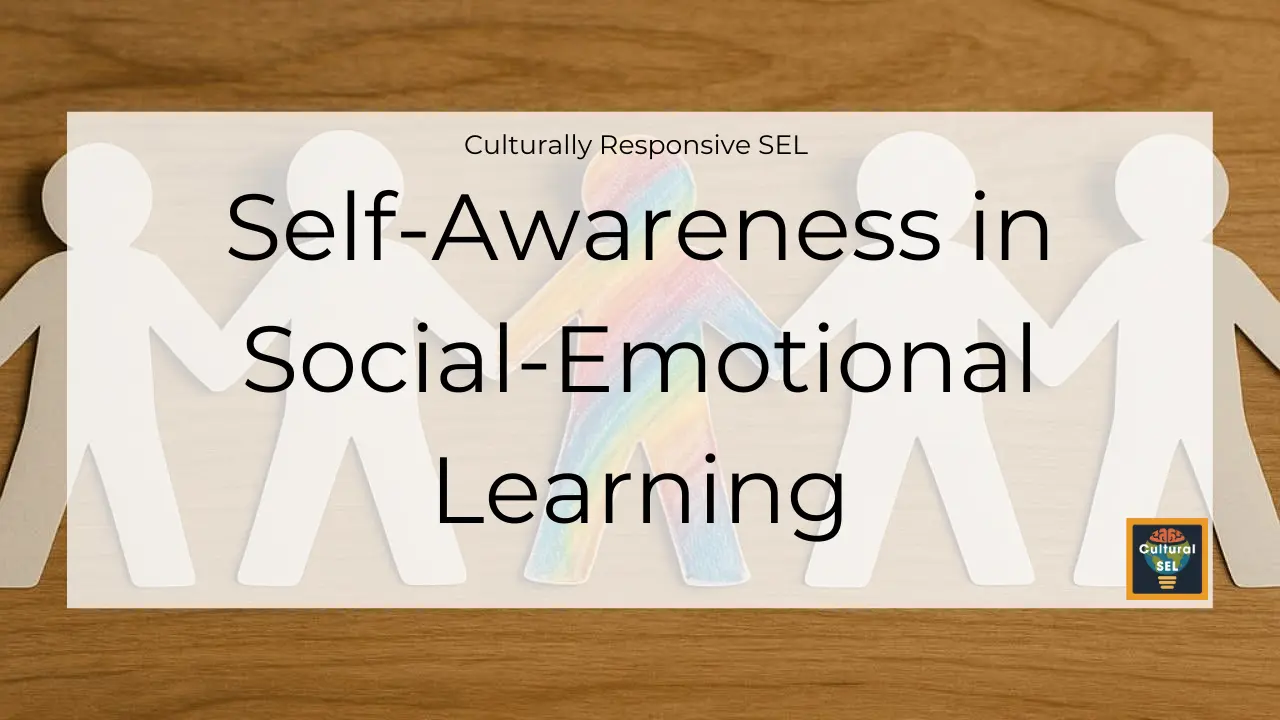
Self-awareness in social-emotional learning frameworks refers to a child’s ability to recognize their emotions, thoughts, personal traits, and behavior patterns.
It helps children understand what they feel, why they react in certain ways, and how their identity shapes their experiences.
In school settings, self-awareness helps students focus and engage in classroom tasks.
A student who notices feeling nervous before speaking in class can begin to understand that the reaction is connected to confidence or fear of judgment. This internal understanding becomes the starting point for growth.
Without self-awareness, children may react automatically to situations without understanding what is happening inside them.
With self-awareness, they begin to observe themselves as learners and social participants.
FREE DOWNLOAD · REFLECTION GUIDE

What if the behavior isn’t the whole story?
A free reflection guide that explores what may be influencing a child’s behavior before it is labeled, corrected, or misunderstood.
Recognizing Emotions in Everyday School Situations
Children develop self-awareness by connecting emotions to real events in their daily routines. Emotional recognition often begins with simple experiences that repeat over time.
A child may feel frustrated when homework feels difficult or confusing. Another child may feel proud after completing a group project or answering a question correctly in class.
As these emotional moments repeat, children begin to build internal emotional maps.
In our family, I noticed that one of our children would become very quiet during classroom group activities.
At first, it looked like a lack of interest, and I was honestly surprised to see the difference from how confident they were at home. Later, we realized it was connected to feeling unsure about speaking up in front of others.
When we talked through those classroom moments together, our child began to recognize those feelings and slowly became more willing to participate.
Teachers and families can support this awareness by naming observable emotions in context. Statements such as “You looked excited during the science activity” or “I noticed you felt disappointed when the game ended” help children correctly identify and label their feelings.
This process strengthens emotional clarity without turning the moment into a moment of discipline or correction. The goal is recognition, not control.
Understanding Personal Triggers and Reactions
As children grow, they begin to notice patterns in what motivates or upsets them. These patterns are often called emotional triggers.
A trigger can be a specific event, expectation, or social situation that creates a strong emotional response.
Some students may feel tense before reading aloud in class because of past embarrassment.
Another student may become energized when given leadership roles in group activities.
Recognizing these patterns allows children to understand their reactions as predictable experiences rather than random events.
Self-awareness develops when children can say, in simple terms, “This situation makes me feel nervous” or “I feel happy when I help others.” This language reflects growing emotional insight.
Identifying Personal Strengths and Areas for Growth
Self-awareness also includes recognizing personal strengths and challenges across academic, social, and emotional areas.
Children benefit from understanding what they do well and what still feels difficult.
A child who enjoys creative writing may recognize this as a strength that supports school success.
Another child may notice difficulty staying organized or managing time. These realizations support realistic self-understanding rather than comparison with peers.
Strength recognition builds confidence, while awareness of growth areas supports motivation. When children understand both aspects, they develop balanced self-perception.
This internal clarity helps students approach learning tasks with realistic expectations and persistence.
As children grow, they also become more aware of how they present themselves and how others respond to them in group settings.
A student may notice feeling more confident when their ideas are welcomed or more unsure when they feel overlooked.
These social awareness moments contribute to developing a clearer sense of self.
Cultural Identity Shapes Self-Understanding
Self-awareness is influenced by cultural identity. Family traditions, language use, naming practices, community values, and generational expectations all contribute to how children see themselves.
For example, a child raised in a family that values group harmony may describe themselves as cooperative and respectful.
Another child raised in a context that emphasizes independence may identify as confident and outspoken. Both self-perceptions reflect cultural learning.
Language also shapes emotional awareness. Some children may feel emotions deeply but struggle to describe them in the school language.
Multilingual environments can influence how emotions are expressed and interpreted through language and social-emotional learning experiences.
When families share cultural stories, proverbs, or traditions about character and behavior, children gain additional frameworks for understanding themselves.
This cultural grounding strengthens identity clarity, a sense of belonging, and cultural emotional intelligence in children.
Reflection Habits Strengthen Self-Awareness Over Time
Self-awareness grows through repeated reflection rather than one-time conversations. Simple reflection habits help children observe their internal experiences in manageable ways.
Examples of reflection practices include:
- brief daily emotion check-ins
- drawing or writing about school experiences
- guided family conversations after challenging events
- classroom reflection prompts after group activities
These routines create structured opportunities for children to pause and notice their thoughts and feelings.
Over time, this habit builds deeper emotional insight. International education research on social and emotional skills also shows that developing internal awareness supports long-term engagement in learning.
Reflection supports learning readiness, social understanding, and identity development.
It also prepares children for later social-emotional skills such as decision-making and emotional regulation.
Children develop self-awareness within the emotional environments around them. When adults respond with calm guidance and respectful communication, children are more likely to notice their internal reactions and understand what they are feeling.
These early reflection patterns often continue over time. As children grow older, the awareness they practice in everyday situations can influence how they handle pressure and later lead, cooperate, and make decisions as adults.
Shop Our Culturally Responsive SEL Resources
Digital Cultural SEL resources for parents, caregivers, educators, community professionals, and children.
Explore practical tools, guides, reflection resources, and activities focused on social and emotional development, cultural environments, identity, belonging, relationships, lived experiences, and behavior.
Frequently Asked Questions About Self-Awareness in Social-Emotional Learning
What is self-awareness in simple terms?
Self-awareness means noticing what you feel, what you think, and how you usually react in different situations. For children, it often begins with recognizing basic emotions connected to daily experiences at school or home.
Why is self-awareness important for students
Self-awareness helps students understand their learning needs, social preferences, and emotional responses. This understanding supports classroom participation, motivation, and positive peer interaction.
At what age do children start developing self-awareness
Basic emotional recognition can begin in early childhood. More complex self-reflection, such as understanding personal strengths or triggers, usually develops gradually throughout elementary and middle school years.
How can families support self-awareness at home?
Families can support self-awareness by talking about emotions in real situations, encouraging reflection after school experiences, and connecting personal traits to cultural values and family expectations.
How is self-awareness different from self-management
Self-awareness focuses on noticing and understanding internal experiences. Self-management focuses on regulating emotions and behaviors. Understanding feelings comes before learning how to manage reactions.
Self-Awareness Supports Long-Term Learning and Identity Development
Self-awareness develops gradually through everyday school experiences, family interactions, and social participation.
When children learn to recognize their emotions, strengths, and influences on their identity, they gain a clearer understanding of themselves as learners and community members.
This internal clarity supports confidence in participation, realistic goal setting, and meaningful engagement in learning environments.
As children grow, strong self-awareness provides a stable foundation for responsible choices and later skills such as self-management in social-emotional learning.
CONTINUE EXPLORING CULTURAL SEL
Explore free Cultural SEL guides, culturally responsive SEL tools, and practical resources for understanding how cultural environments, identity, belonging, relationships, and lived experiences connect with children’s social and emotional development.
📌 Save or share this post with someone who is raising, teaching, or guiding children.

Hi, I’m Faith, the creator of Cultural SEL
I create practical tools and resources that support children’s social and emotional development and help parents, caregivers, educators, and community professionals look beyond behavior labels.
My work focuses on how cultural environments, identity, belonging, relationships, and lived experiences shape what children experience and how adults interpret and respond.
Read more about Faith and Cultural SEL: https://culturalsel.com/about
Join the Cultural SEL community: https://culturalsel.com/fb