Friendship Dynamics Across Cultures in Childhood Peer Relationships
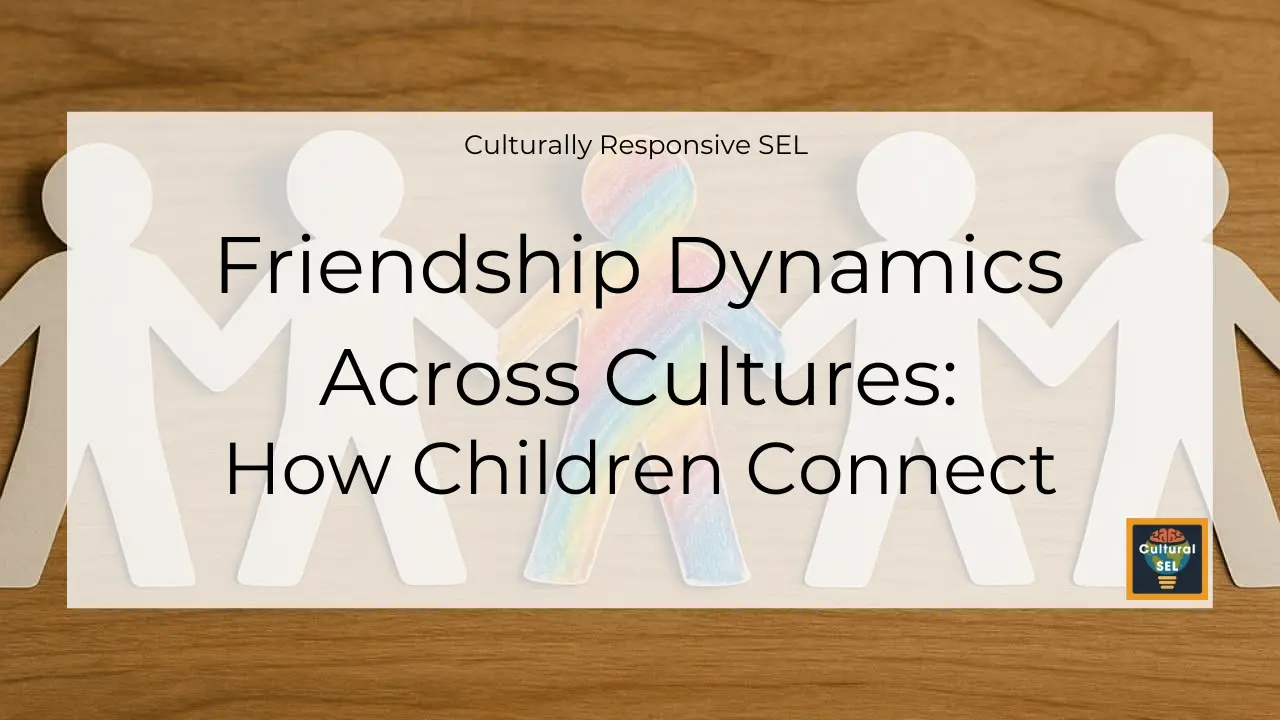
Friendship dynamics across cultures describe how cultural values shape how children choose friends, share, handle conflict, and build social connections.
How cultural norms shape peer relationships in school and daily life.
Children learn how to form friendships long before they understand social rules in words.
They observe how adults interact, how family members support each other, and how community relationships function.
Friendship dynamics are shaped by daily routines such as sharing space, solving small conflicts, and deciding who belongs in a group.
These experiences influence how children interpret loyalty, fairness, and trust.
In school settings, these patterns become visible when children choose play partners, respond to disagreement, or decide how much personal information to share.

What if the right book still misses the child in front of you?
80+ books selected for identity, belonging, and cultural awareness. Each category includes what adults often miss, so you know how to use them, not just which ones to choose.
Group Loyalty Expectations Shape Friendship Choices
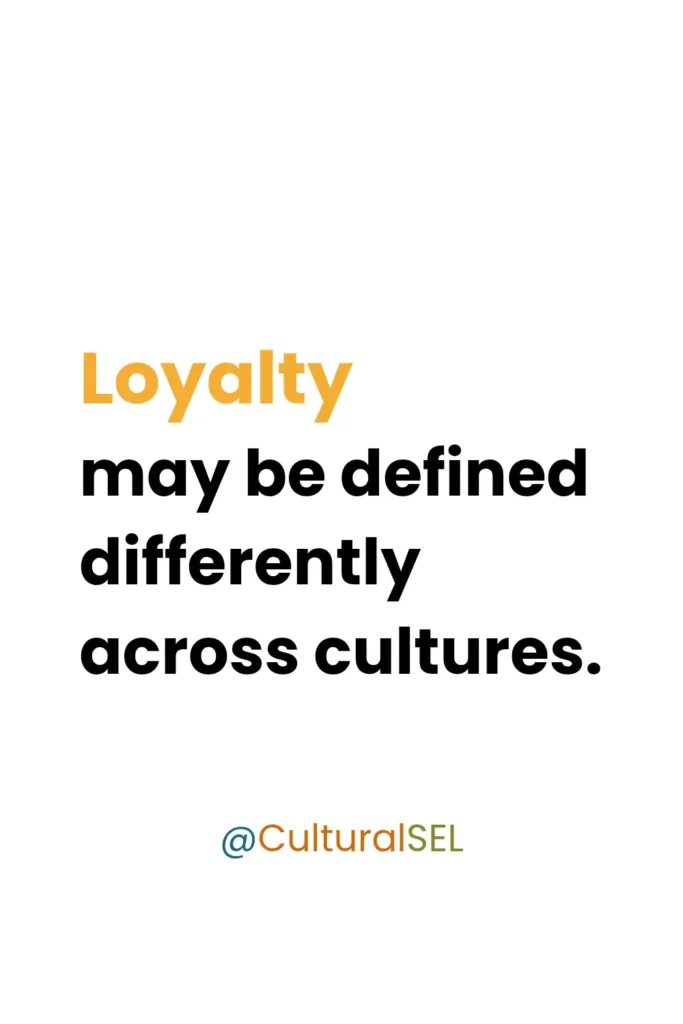
In some cultural contexts, friendships are closely tied to group belonging.
Children may prioritize staying connected to familiar peers, cousins, or community members rather than forming many new friendships.
For example, a child raised in a close-knit extended family network may prefer spending recess with siblings or neighbors they already know.
Teachers might interpret this as limited social interest, while the child may simply be following learned loyalty patterns.
Recognizing these expectations helps adults support social growth without pushing children to abandon values tied to trust and stability.
Sharing Norms Influence How Children Define Fairness
Ideas about fairness vary across cultures.
Some children are taught to share equally with everyone, while others learn that resources are first offered to family members or close friends.
This difference can appear in simple moments, such as distributing snacks or taking turns in a game.
One child may insist on equal distribution, while another may prioritize helping a younger sibling or trusted friend first.
In our family, this came up when we were planning a birthday party. One of our children refused to add classmates and kept saying the list should be cousins.
I pushed back at first because I wanted them to include school friends. Later, I realized they were not avoiding friendships.
They were following what felt like the right order of closeness. Once I saw that, I stopped forcing the change and started guiding it.
Understanding these norms prevents adults from labeling children as selfish or unfair when they are following learned ideas about who should be included first.
Conflict Styles in Friendships Reflect Cultural Communication Patterns
Children handle disagreements using communication styles they observe at home.
Some cultures encourage direct expression of feelings, while others emphasize calm restraint or indirect resolution.
For instance, a child who steps back quietly during conflict may be showing respect or emotional self-control rather than avoidance.
Another child who speaks openly about frustration may be practicing assertiveness encouraged in their environment.
When adults interpret these styles accurately, they can guide children toward respectful problem-solving that helps children explain their needs clearly and stay engaged in shared play without escalating tension.
Inclusion and Exclusion Patterns Develop Through Social Identity Signals
Friendship groups often form around shared identity markers such as language, cultural traditions, or neighborhood connections.
These signals provide a sense of belonging, especially for children navigating unfamiliar environments.
A multilingual child might gravitate toward peers who speak the same language during lunch or group work.
This behavior can strengthen confidence and emotional safety during school transitions.
At the same time, children benefit from gentle support in expanding their circles so they practice joining new group activities with greater ease while still feeling secure in familiar cultural connections.
Why Children Sometimes Confuse Inclusion With Friendship
Being invited into a group does not always mean a child has found people they can trust.
Children often spend time with classmates because they share the same classroom, team, neighborhood, or activity.
Those shared spaces create opportunities for friendship, but they do not automatically create mutual respect, care, or belonging.
I’ve been the only Black person in many rooms for much of my life. Looking back, I can see there were times I overlooked things because I was simply happy to be included.
One of the biggest lessons I learned is that classmates, coworkers, and acquaintances do not automatically become friends.
Helping children notice that difference is not about teaching suspicion. It is about teaching discernment.
Children can enjoy being part of a group while also learning to notice who respects them, includes them consistently, celebrates their successes, and makes them feel emotionally safe.
Those experiences are often a stronger foundation for friendship than simply sharing the same space.
Family Influence Shapes Friendship Boundaries and Social Decisions
Families play a central role in guiding how children choose friends and manage social time.
Some households encourage frequent social visits and group activities.
Others place stronger limits on outside friendships due to safety concerns, academic priorities, or cultural values.
In some families, sleepovers are seen as a normal part of growing friendships. In others, parents prefer that children return home at night due to safety concerns, cultural expectations, or family routines.
A child who cannot attend sleepovers may still value their friendships deeply. They are simply navigating boundaries shaped by family trust patterns and social traditions.
Similar patterns appear when children are invited to visit a friend’s home after school or on weekends.
In some families, this is encouraged as a way to build independence and social confidence. In others, parents may prefer to host friends in their own home where routines, language, and expectations feel more familiar.
A child who rarely visits other households is not necessarily withdrawn or unfriendly. They may be following family norms about safety, hospitality, or respect for household boundaries.
A child whose parents emphasize structured routines may decline spontaneous play invitations.
Peers might interpret this as disinterest, even though it reflects family expectations around responsibility and time management.
When educators and caregivers understand these influences, they can support children in building friendships that respect both personal growth and family guidance.
Supporting Healthy Friendship Development in Multicultural Contexts
Adults can help children navigate friendship dynamics by creating environments that value multiple interaction styles.
These patterns are a key part of social-emotional learning, where children develop the skills needed to build and maintain relationships.
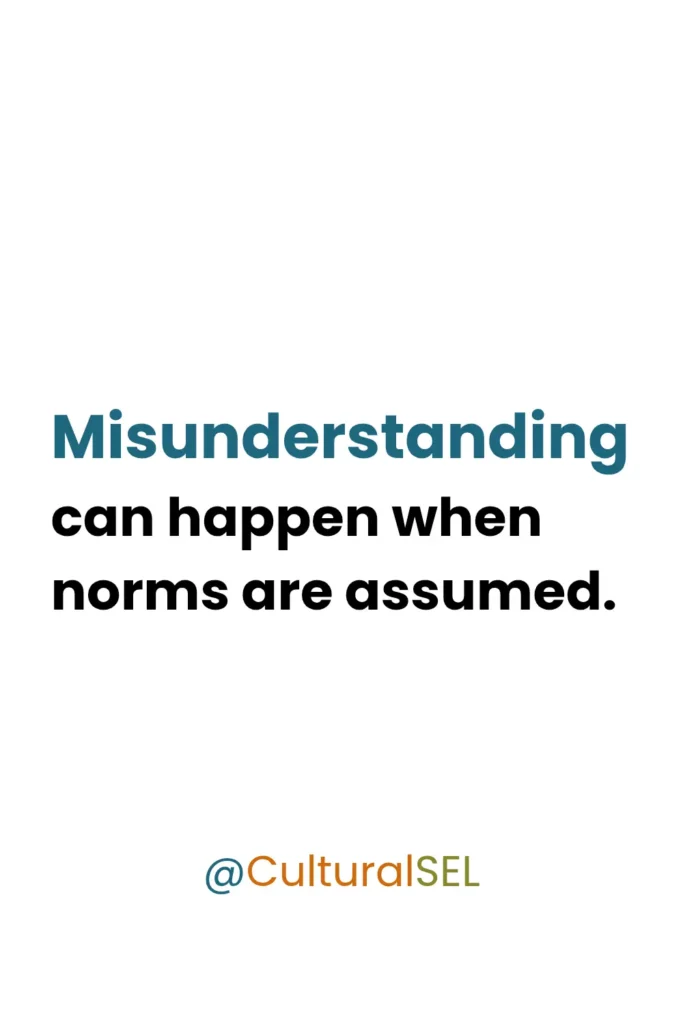
Clear conversations about fairness, belonging, and communication reduce misunderstandings across cultural lines.
Simple strategies include modeling inclusive language, offering cooperative activities that mix peer groups, and acknowledging different friendship preferences without judgment.
These approaches help children participate more comfortably in shared games, communicate needs during group work, and build steady peer connections while honoring the cultural experiences that shape how they relate to others.
Frequently Asked Questions About Friendship Dynamics Across Cultures
How does cultural background influence how children choose and maintain friendships?
Children often follow social patterns they observe in family and community life. This includes preferences for group loyalty, communication style, and expectations around trust.
Why do differences in sharing behavior reflect learned fairness values?
What appears unfair in one context may align with cultural teachings about responsibility or closeness. Adults who recognize this can guide children toward flexible cooperation rather than labeling behavior negatively.
Do quiet conflict responses mean a child has weak social skills?
Some children use calm or indirect approaches because they have learned that maintaining harmony is respectful. These styles can still support strong friendships when paired with clear communication guidance.
Why do friendship circles form around language and identity comfort?
Shared cultural signals help children feel secure in social environments. Gradual exposure to diverse peers supports confidence while maintaining a sense of cultural belonging.
How do family expectations shape friendship decisions during school years?
Rules about time, safety, and priorities influence how children participate in peer activities. Understanding these boundaries allows adults to support social growth without creating conflict between home and school values.
“Friendship behavior is how children act in peer relationships based on what they’ve learned about trust, fairness, belonging, and boundaries.”
Friendship development does not happen in isolation from culture or family life.
When adults understand how social expectations shape peer relationships, they can guide children toward confidence, respect, and meaningful connections.
Supporting friendship growth across cultural contexts helps children feel secure in who they are while learning how to relate to others in diverse environments.
CONTINUE EXPLORING CULTURAL SEL
Explore free Cultural SEL guides, culturally responsive SEL tools, and practical resources for understanding how cultural environments, identity, belonging, relationships, and lived experiences connect with children’s social and emotional development.
📌 Save or share this post with someone who is raising, teaching, or guiding children.

Hi, I’m Faith, the creator of Cultural SEL
I create practical tools and resources that support children’s social and emotional development and help parents, caregivers, educators, and community professionals look beyond behavior labels.
My work focuses on how cultural environments, identity, belonging, relationships, and lived experiences shape what children experience and how adults interpret and respond.
Read more about Faith and Cultural SEL: https://culturalsel.com/about
Join the Cultural SEL community: https://culturalsel.com/fb